
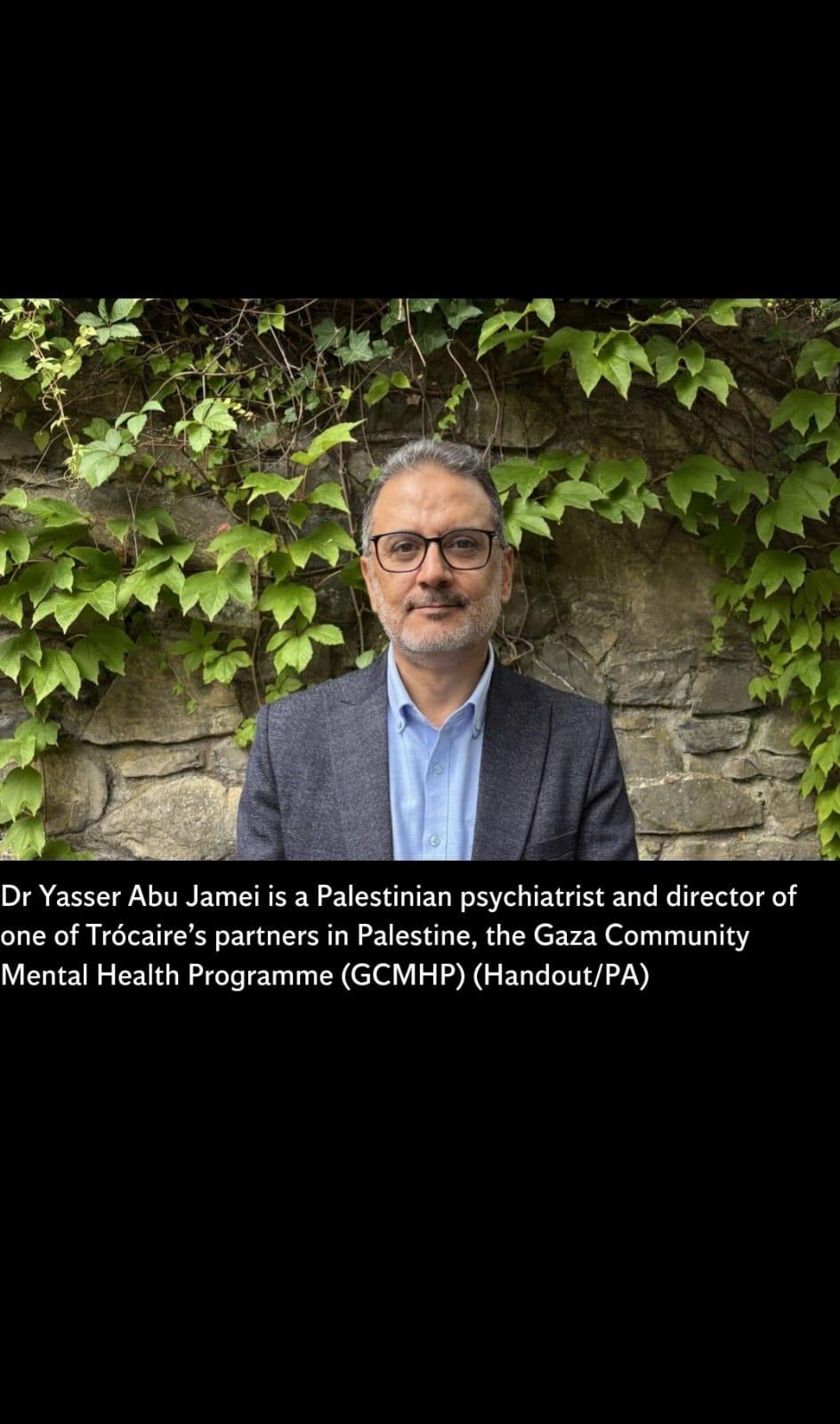
“Director General of GCMHP Warns of the Risk of Losing a Whole Generation of Gaza’s Children Without Specialized Psychological Support”
Dr. Yasser Abu Jamei, Director General of GCMHP has warned of the long-term psychological and social repercussions facing children in the Gaza Strip due to their continuous exposure to war, displacement, loss, and harsh humanitarian conditions. He emphasized that providing mental health and psychosocial support services to children is no longer merely an emergency response but has become a necessity to safeguard the future of an entire generation.
Dr. Abu Jamei made these remarks while participating in various events, academic meetings, and through articles published in Ireland. He addressed the mental health situation in the Gaza Strip, the impact of years of continuous exposure to trauma, deprivation, and a lack of safety, as well as the efforts GCMHP is making to meet the population's growing psychological needs.
Dr. Abu Jamei noted that children in Gaza have endured harsh and recurring experiences over the past years, including the loss of family members, displacement, injuries, the destruction of homes, disruption of education, and constant exposure to fear and instability. These experiences leave profound effects on their psychological and social development, as well as on their ability to learn and build secure, stable relationships.
He emphasized that the absence of appropriate psychological support at this stage could lead to the intergenerational persistence of trauma, noting that children who do not receive the necessary care and support are at risk of psychological and psychosocial complications that may persist into later stages of their lives. He explained that addressing the psychological needs of children in Gaza requires more than just temporary interventions; it necessitates integrated, long-term services. These should range from community-based psychosocial support to specialized mental health services for the most vulnerable children and families, while strengthening referral mechanisms and coordination across various service levels.
In this context, the Director General of GCMHP emphasized the importance of making mental health an integral part of the humanitarian response. He stressed the need to link psychosocial support services with health, protection, and education services to ensure that children and families receive the appropriate level of intervention based on their specific needs.
He noted that, despite the immense challenges imposed by the war, GCMHP continues to provide mental health and psychosocial support services, build the capacity of professionals in the field, and develop interventions that address the growing needs of children and the most vulnerable groups.
He added that protecting children's mental health goes beyond merely treating the effects of trauma after it occurs; it also involves creating a safer and more stable environment, restoring opportunities for learning and social interaction, supporting families and caregivers, and providing specialized services to those in need.
GCMHP had previously emphasized that the scale of the mental health crisis in the Gaza Strip requires prioritizing mental health within the humanitarian response—particularly given the cumulative impact of the war on children, who make up a significant portion of the Strip's population. Dr. Abu Jamei emphasized that investing in children's mental health is an investment in the future of society, and that delaying a response to growing psychological needs could exacerbate long-term consequences. He called for continued international support for mental health services in Gaza and for strengthening the capacity of specialized local institutions to reach children and families, thereby providing professional and sustainable services.
This call comes as Palestinian sources indicate that over a million children in the Gaza Strip require psychosocial support services, amidst the ongoing impact of displacement, loss, disrupted education, and deteriorating living conditions.
-
 Oct 22, 2026
GCMHP conducted an a...
-
 Oct 21, 2026
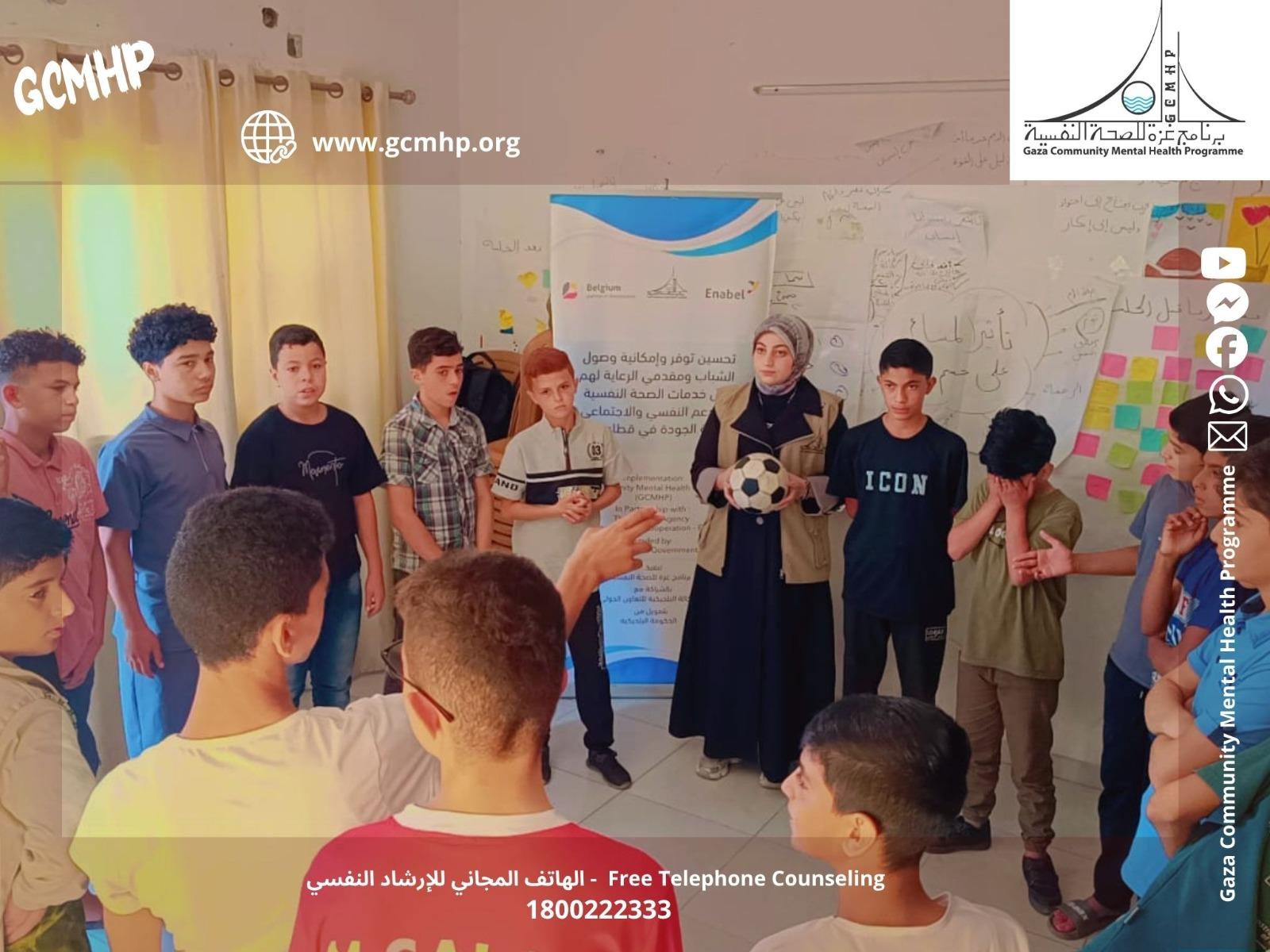
GCMHP through its "P...
-
 Oct 14, 2026
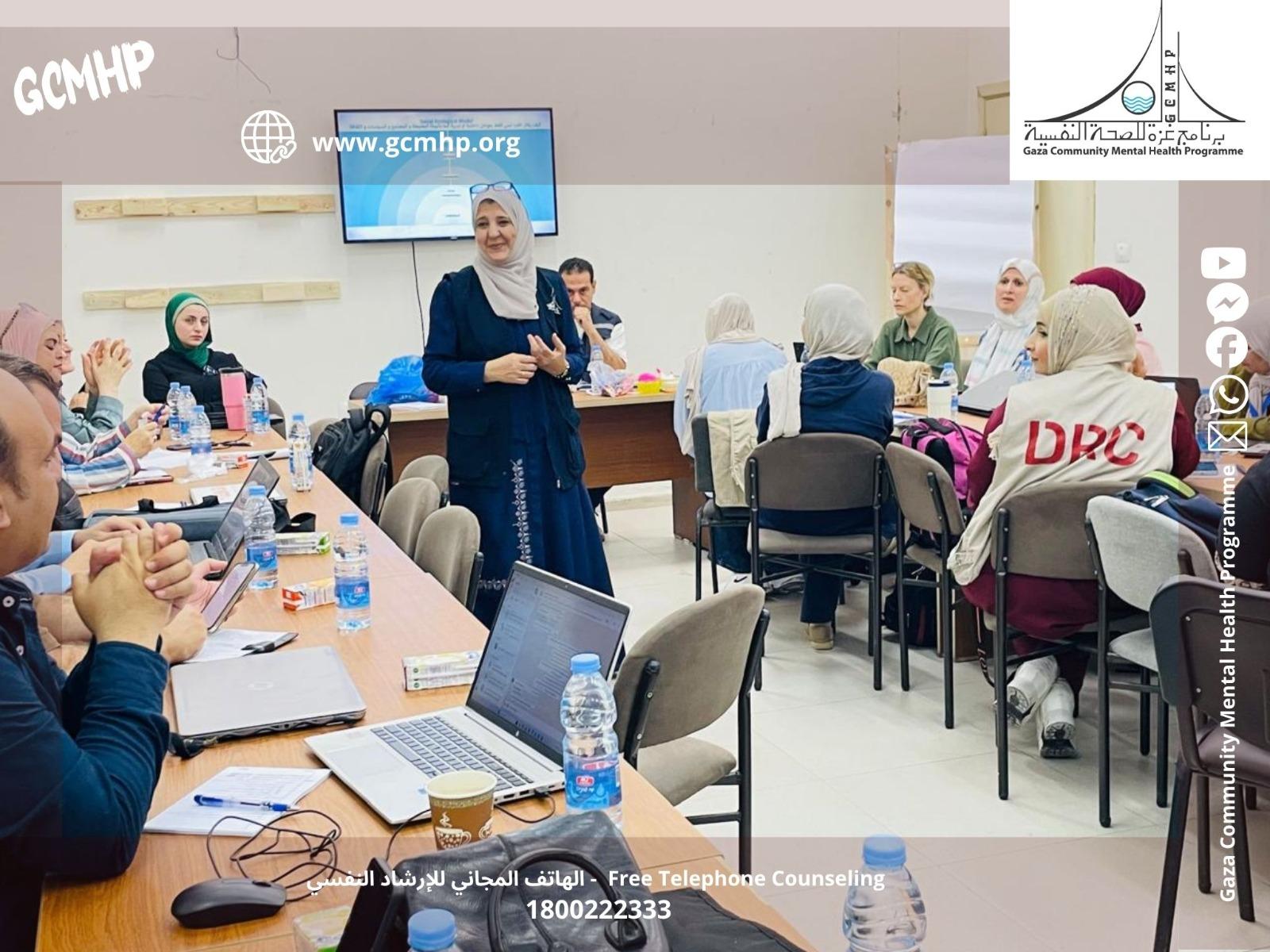
As part of its effor...
Read Comments
Steven Rich
March 10, 2019Omnis iste natus error sit voluptatem accusantium nam libero tempore, cum soluta nobis est eligendi optiocumque nihil impedit quo minus id quod maxime.
Van Wimbilton
March 10, 2019Natus error sit voluptatem accusantium nam libero tempore, cum soluta nobis eligendi optio cumque nihil impedit quo minus id quod maxime.